

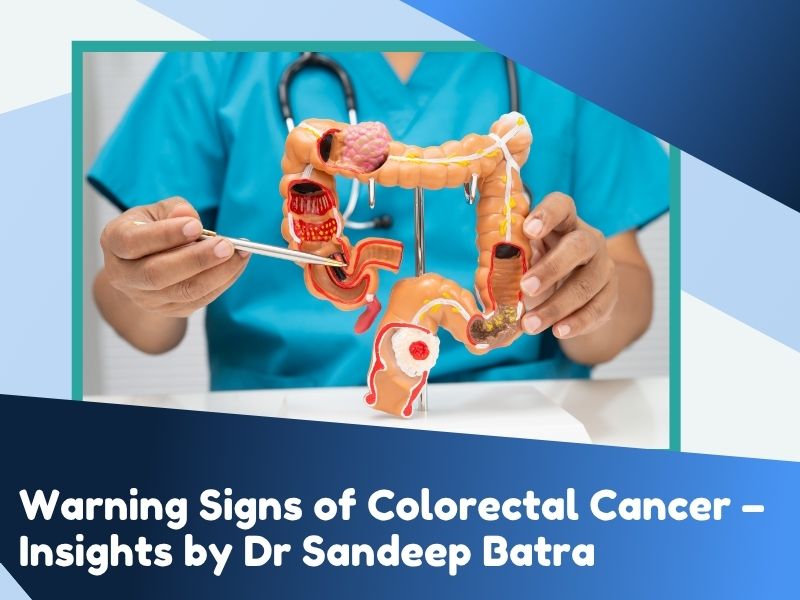
Every year, millions of people are diagnosed with colorectal cancer, making it one of the most prevalent cancers globally; however, if diagnosed in the early stages or detect warning signs of colorectal cancer can be effectively treated. Unfortunately, colorectal cancers usually advance in level without displaying any sign of progress, and typically, the first noticeable symptoms appear after the cancer has progressed, complicating the process of diagnosing the cancer.
As a result, knowing the signs is essential for an accurate, timely diagnosis and treatment of any potential issue. This article will discuss some of the warning signs of colorectal cancer and provide information about when to seek medical assistance.
What Is Colorectal Cancer?
Cancer of the colon and/or rectum starts as little bumps in either one or the other. Some of those tiny bumps, or “polyps”, can turn into cancerous tumours when they grow beyond an acceptable size; so having regular screenings is a way to find and get rid of the little bumps before they turn into cancerous ones.
What are the Common Warning Signs of Colorectal Cancer?

- An early warning sign of colorectal cancer includes persistent changes in your bowel habits, such as diarrhoea or constipation, which may continue for more than just a few days, and also include narrow or ribbon-like stools or a feeling that you have not emptied your bowel completely. These could possibly indicate a blockage or abnormal growth in your colon.
- Additionally, if you notice blood in your stool, which could either be bright red (indicating bleeding from the lower colon or rectum) or dark/black (indicating bleeding that has occurred higher up in the digestive tract), this is a reason to seek evaluation by your physician. Although conditions like haemorrhoids may also result in bleeding, it is extremely important that your physician rule out serious conditions such as colorectal cancers.
- Finally, if you have ongoing complaints of cramping, gas, bloating, or pain that are frequent and/or without any known cause, then it is recommended that you get evaluated by a medical professional to determine the cause of these symptoms.
- If you have been losing weight without attempting to do so, this may also be an indication that something isn’t right. Weight loss can be caused by cancer, as cancer can change metabolism and/or appetite; therefore, it is not uncommon for someone to experience a sudden and unexplained amount of weight loss due to having cancer.
- Chronic fatigue that is not relieved with rest may result from internal bleeding, which may also cause you to become anaemic (not have enough red blood cells), leading to a decreased supply of oxygen in your body and causing weakness and tiredness.
- Men and women age 45 and older should consider screening for colorectal cancer, as low iron levels without other possible explanations can sometimes be associated with a slow bleed in the colon.
- If you feel like you have to go to the bathroom right after you’ve gone, this could be due to a tumour either in the rectum or the lower part of the colon.
Screenings for colorectal cancer are important for everyone, including people who don’t have any symptoms. Colonoscopy, as an example, can find precancerous polyps and cancers at an early stage when they can be treated more easily. Colorectal cancer screenings are especially important for men and women over age 45, men and women with a family history of colon cancer or polyps, and those with conditions such as inflammatory bowel disease. Detecting colorectal cancer at an early stage and recognising the warning signs can save your life.
Although many of the symptoms listed below may be due to something less serious, ignoring them may result in a delay in diagnosis and/or treatment. Awareness and action are the keys to early detection of colorectal cancer – pay attention to your body, consult your physician if you experience any unusual symptoms and complete your screening in accordance with the guidelines provided by your physician. When colorectal cancer is detected at an early stage, your chances of survival increase, and you are more likely to have access to better and less invasive treatment methods.