

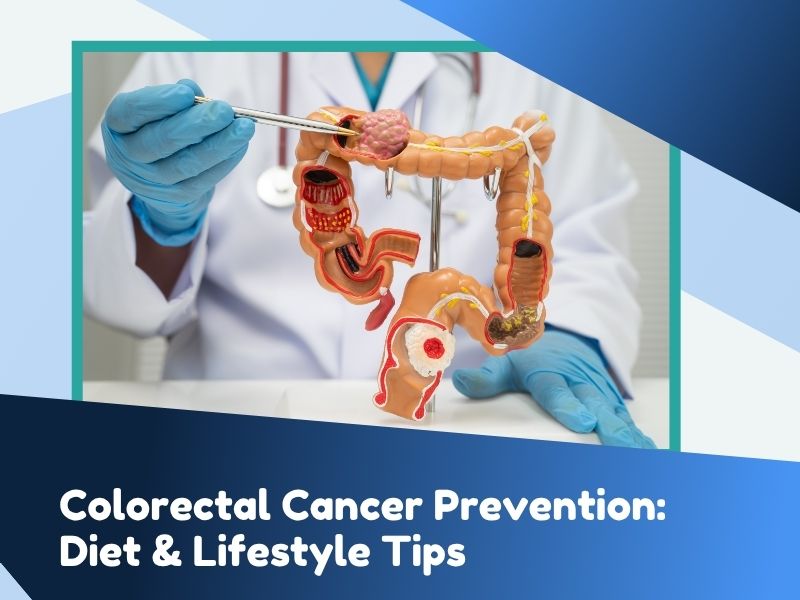
The term “colorectal” refers to the area of your gastrointestinal tract (or “GI” tract) that makes up your large intestine (the colon) and your back passage (the rectum). Colorectal cancer (sometimes referred to as bowel cancer) is one of the most frequently occurring cancers in both men and women across the globe. Colorectal cancer usually evolves due to a range of factors, including diet/lifestyle choices, family history and genetics; however, the good news is that many colorectal cancers can be prevented by simply making some straightforward and effective changes to your everyday diet/lifestyle.
This blog will provide you with practical, evidence-based tips on how dietary modifications and lifestyle changes will have a very positive impact on reducing your chances of developing colorectal cancer and supporting long-term digestive health.
What is Colorectal Cancer?
Polyps are small, non-cancerous growths that start in the large intestine or rectum and may develop into colorectal cancer if not detected early. Prevention and early detection can help reduce the risk of developing this disease and improve the chances of good survival.
What is Colorectal Cancer Prevention?
- Eating high-fibre foods can significantly reduce the chance of developing colorectal cancer by promoting digestion and regular bowel movements, in addition to limiting the amount of time poisons spend inside the colon. Foods that provide ample fibre include whole grains (brown rice, whole wheat, oats), fruits (bananas, apples, berries), vegetables (carrots, broccoli, spinach), and legumes (beans, lentils).
- Eating large amounts of red meat (beef, pork, lamb) and processed meats (bacon, salami, sausage) can increase your chances of getting colorectal cancer. These foods can be replaced with healthier protein options such as fish, poultry, and plant-based (tofu, beans) proteins.
- If you are overweight or obese, your chance of getting cancer is increased, including the risk of developing colorectal cancer. To control your weight, eat whole, unprocessed foods, balance the amount of food you eat with how much physical activity you do, and limit your intake of sugary drinks and snacks.
- Working out on a regular basis doesn’t just help you keep fit (at your desired weight), it will also enhance your digestive function and diminish the occurrence of inflammation in your body. It is safest to engage in at least two and a half hours (150 minutes) each week of moderate daily exercise; walking, cycling, swimming, yoga, and other forms of physical activity are all examples of moderate daily exercise.
- Consuming a high quantity of alcohol has been related to a greater risk of developing colorectal cancer, so it is recommended to limit consumption of alcoholic drink/s to moderate amounts (or not consume at all) and choose healthier beverages (e.g., fresh fruit juices) instead.
- Cigarette use has been associated with a higher incidence of many cancers, including colorectal cancer. Chemicals found in cigarettes may seriously harm the mucosal lining of the intestines and rectum (bowel) — as such, quitting smoking will protect your health and significantly decrease your chances of developing cancer in the long run.
- One of the most effective ways to find polyps before they become cancerous is by performing regular screenings. The Colonoscopy and faecal (stool sample) tests are two common screening tests that healthcare providers can perform. Having a negative screening test result can lead to the early removal of polyps prior to them being transformed into malignant tumours (cancers).
- Antioxidants are chemicals that help protect the body’s cells from damage that may ultimately lead to cancer. Foods that contain high antioxidant levels are berries, leafy green vegetables, nuts and seeds, and green tea.
- Chronic stress and lack of quality rest have a negative effect on overall health, including the proper functioning of the digestive system. Good health habits include practising mindfulness or meditation; developing a regular sleep schedule, and trying to get 7–8 hours of restful sleep each night.
Prevention of colorectal cancer is mainly up to the individual. You can decrease the likelihood of getting colorectal cancer by maintaining a healthy diet, being active, not engaging in risky behaviours and having regular screenings. All it takes to start living a healthier, cancer-free life is small, ongoing changes that you can start making today. If you have risk factors like a family history of colorectal cancer or have symptoms such as ongoing stomach pain or changes in your bowel habits, you should see a doctor as soon as possible.