

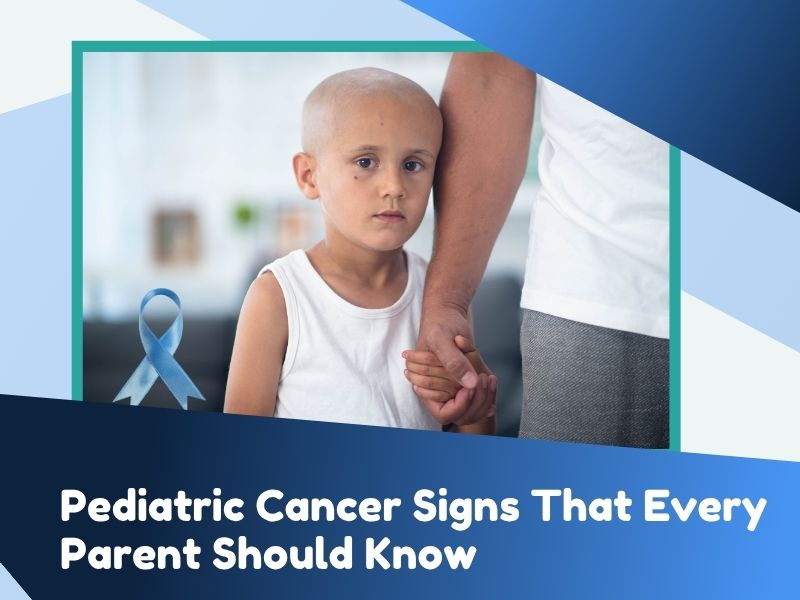
Cancers occurring in children are relatively infrequent, but they continue to be one of the top causes of disease-related mortality for children globally. Pediatric cancers generally occur at a much faster rate than adult cancers. The pediatric cancer signs or symptoms may not manifest themselves as early on as they typically would for adult cancers; therefore, it will be critical for parents to become aware of what warning signs to pay attention to for prompt diagnosis, effective treatment, and higher chances of survival. Dr Sandeep Batra will discuss the pediatric cancer signs that every patient should know.
What Are Pediatric Cancers?
Childhood and adolescent cancers are cancers that develop during childhood and adolescence, or under the age of 18. Childhood cancers are biologically distinct from those that develop after adulthood, as they develop from cells that are developing and not as a result of lifestyle choices. Common types of pediatric cancers include acute lymphoblastic leukaemia, brain and spinal cord tumours, Hodgkin and non-Hodgkin lymphomas. Other types of childhood cancers include neuroblastoma, Wilms ’ tumour (kidney cancer) and osteosarcoma (cancer of the bone).
What is the importance of early detection?
Children’s physical development continues to change rapidly, which also allows for faster development of tumours in children. The good news is that when diagnosed early, pediatric cancers tend to respond well to treatment. On the other hand, a delay in diagnosis may result in complications requiring a higher degree of treatment.
What Are the Key Pediatric Cancer Signs?

- Signs to consider for a child with undiagnosed cancer include Severe or recurrent fever without a known cause, which could be representative of conditions such as leukaemia.
- Sudden unexplained weight loss or lack of appetite needs to be investigated by a physician.
- Unusual fatigue or low activity level—in children who are well-rested—could indicate something more serious.
- Painless lumps in areas such as the neck, abdominal area, chest, or pelvis should never be ignored and should prompt a visit to the paediatrician if they are persistent or growing.
- Frequent illnesses or protracted recovery from illness can indicate impaired immune function, which is sometimes associated with childhood blood cancers.
- Recurrent pain in bones or joints, especially if it worsens at night and interferes with movement, may indicate an underlying condition such as leukaemia or a bone cancer.
- Frequent headaches, particularly in the morning and with vomiting, may indicate elevated intracranial pressure.
- Sudden vision changes, vertigo, or balance problems that hinder one’s ability to walk might be indicative of neurological concerns.
- If there is an abnormal increase in size (enlargement) of the abdomen or a palpable mass, this may indicate the presence of tumours (two examples include Wilms ‘ tumour and neuroblastoma).
When Should Parents Look for Medical Advice?
Although many of these signs/symptoms are indicative of cancer, they are also often present in non-cancerous illnesses in children. If you detect any combination of the above signs and have seen a doctor about it, but it has not resolved within several weeks, please consult a specialist soon after seeing your doctor. If something serious is found or requires treatment, it should be done right away.
Parents having knowledge about the signs and symptoms related to childhood cancer allows them the ability to seek out immediate care. There is no guarantee that the same signs and symptoms would indicate that there is a childhood malignancy, but disregarding them, particularly when they are persistent, could result in a delay in diagnosis. Parents who are aware of these signs and seek medical attention when it is necessary will greatly enhance their child’s chances for survival.
Early diagnosis, along with advances in treatment, improves the survival rates for children with cancer. If you think that your kids are suffering from these symptoms, then you can feel free to ask for help from Dr Sandeep Batra!! Remember, early detection can protect your kids from having this life-threatening disease!!