

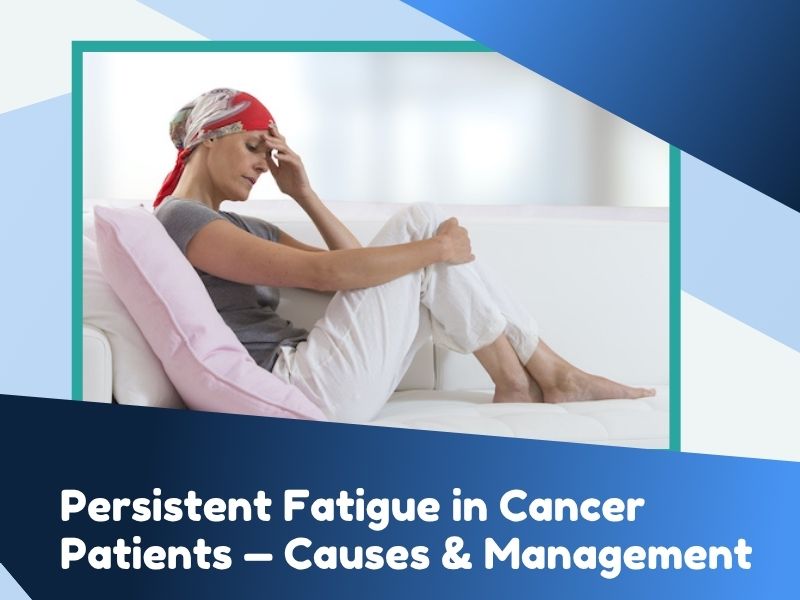
Unsurprisingly, people with Cancer face numerous physical and emotional difficulties; however, one of the most frequent and distressing symptoms experienced by individuals is Fatigue. Cancer-Related Fatigue is different from ordinary Fatigue because it does not resolve with Rest; thus, it significantly diminishes the patient’s ability to carry out their Daily living activities and impede their Work Performance, as well as their Emotional well-being. According to the American Cancer Society, most patients with Cancer will experience fatigue due to their condition, some even after they have completed treatment.
In practice, Dr Sandeep Batra, an oncologist, sees that many of the patients receiving treatment for cancer will experience Fatigue for an extended period of time. Gaining an understanding of the causes of their fatigue and learning how they can be managed can help these patients regain some energy and enhance their overall quality of life.
What Is Cancer-Related Fatigue?
- Cancer-related fatigue is an ongoing sensation of extreme tiredness or a feeling of being too weak or not having enough energy relative to what a person has done, regardless of how much sleep or rest they have received.
- Symptoms of cancer-related fatigue can affect a patient’s physical, emotional and psychological well-being.
- Cancer-related fatigue may begin at any time during the course of cancer treatment and can last for several months after treatment is completed.
What are the Common Causes of Persistent Fatigue in Cancer Patients?
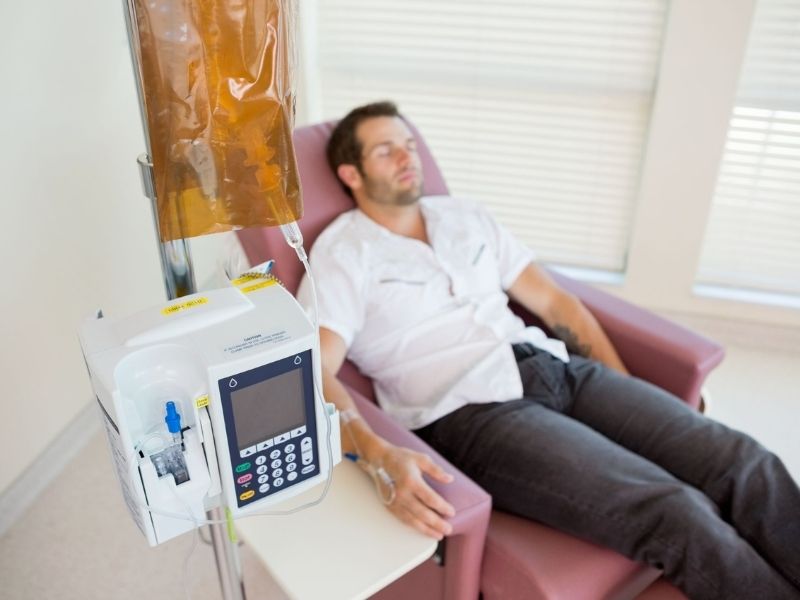
- Energy levels can greatly decrease due to cancer therapies, including chemotherapy, radiation and surgery. Although all three of these cancer therapies are directed at the cancer cells themselves, they also may have a negative effect on the healthy cells of one’s body, thereby causing fatigue.
- In addition to the reduction in energy levels resulting from the therapies themselves, the therapies can lead to a decrease in the amount of red blood cells in the body; this drop in red blood cells can lead to anaemia, resulting in a decrease in the amount of oxygen getting to the body’s tissues, leading to concurrent weakness and exhaustion.
- Patients receiving treatment for gynaecological cancers may have hormonal fluctuations due to the cancer and its associated therapies; these fluctuations can also lead to feelings of fatigue.
- Cancer treatments can also lead to a decrease in appetite or nausea or other gastrointestinal upset, all of which would contribute to low levels of nutrition and, therefore, energy.
- Additionally, a cancer diagnosis can cause anxiety, depression, and emotional distress, all of which can intensify feelings of fatigue.
- Lastly, pain, stress, and side effects from cancer treatments can cause disrupted sleep cycles, which could prevent the patient from receiving adequate sleep and/or restorative sleep.
What are the Effective Ways to Manage Cancer-Related Fatigue?
- Though walking, stretching or practising yoga could feel like the last things you want to do when you are feeling fatigued, engaging in any kind of movement can actually increase your energy and give you more stamina.
- Eating small, nutrient-rich meals can help keep your energy level up by providing your body with the nutrition it needs to recover and reduce feelings of weakness. Including foods high in protein or iron, as well as vitamins, is important to promote recovery.
- Adequate hydration is also important to keep your body’s fluids flowing properly, maintain a healthy metabolism and maintain your energy levels overall.
- It is crucial to concentrate on your key “to-dos,” as well as find an appropriate balance between work-related tasks and rest periods throughout the day.
- Supportive counselling, group therapy and talking to healthcare professionals are all great ways for patients to manage the emotional stress that can impact their overall health.
- If you are experiencing ongoing fatigue, it’s essential that you talk to your healthcare provider, who may diagnose an underlying cause of fatigue such as anaemia, hormone imbalance or another medical issue.
For cancer patients, ongoing fatigue represents an extremely common experience; however, with proper medical management and lifestyle modifications, this symptom can be managed effectively. Fatigue can be improved when the multiple dimensions of fatigue (physical/emotional/nutritional) are considered by patients and addressed accordingly, allowing them to have higher overall energy levels and a better quality of life. Dr Sandeep Batra provides both advanced therapeutic techniques and an empathetic approach to helping cancer patients face the difficulties associated with recovery from cancer, as well as the development of long-term wellness and strength.