

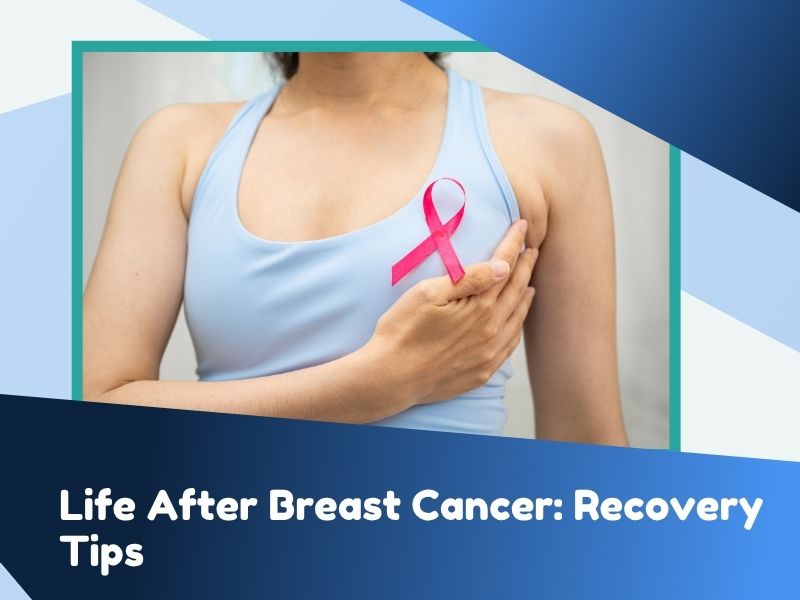
Completion of treatment for breast cancer is an important milestone; however, recovery does not conclude at that time. After completing treatment for breast cancer, women will face many challenges related to their bodies, energy levels, and perspective on life. Fortunately, you can not only recover from these changes but also flourish if you have access to the appropriate types of resources (support), establish good habits, and adopt the right attitude. To help assist with this goal, the following article will provide practical recommendations from an expert to help you strengthen your body, enhance your quality of life and recover your sense of confidence.
How is the Breast Cancer Recovery Phase?
Each woman’s experience of recovery from breast cancer will vary according to factors like treatment received (surgery, chemo, radiation), overall health and psychological capability of coping with the trauma associated with their experience. Some women recover much quicker than others, and there can be significant time differences (weeks, months or longer) between when they feel fully restored to their previous strength and energy levels.
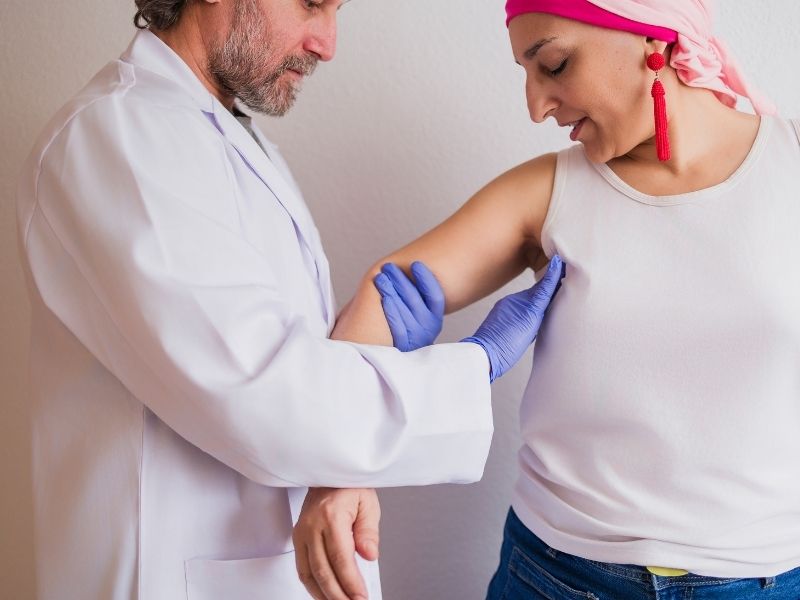
- It will take your body some time to heal after treatment. Fatigue, pain and your ability to move about will all be affected in a common way after treatment. Following your doctor‘s post-treatment care plan, doing gentle exercises such as stretching and walking, and gradually regaining your strength through physiotherapy will help with recovery. You can improve circulation, decrease stiffness and promote your recovery by being active on a regular basis.
- Cancer-related fatigue is different from being tired in that it can last even after you rest. You should break your daily tasks into small steps and schedule periods of time for rest, in addition to maintaining a regular sleep pattern. Listening to how you feel will be very important as you recover from your treatment.
- Nutrition is important for healing and for your overall long-term health. A healthy diet will include fresh fruits and vegetables, whole grains, lean proteins and healthy fats (such as nuts, seeds and olive oil). Processed foods, sugary snacks and excess alcohol should be avoided. A well-balanced diet with lots of nutrients will help to increase your body’s ability to fight infections as well as reduce the risk of your cancer coming back.
- You may experience many different types of feelings when cancer is no longer part of your life—relief at being done with treatment, anxiety about whether your cancer will return to you, fear about developing a chronic or potentially terminal illness, or even depression. You should consider speaking with a mental health professional, joining the local cancer survivor support group, or practising mindfulness, meditation and journaling. Working on your emotional well-being is as important as your physical recovery.
- Physical activity can enhance your energy levels, minimise stress, and help you maintain a healthy body weight. Activities such as walking/yoga/light strength training are helpful, so begin slowly and when your body allows, strive to increase your intensity level.
- Ongoing follow-up care is critical in monitoring your health and detecting and diagnosing early any signs of recurrence. Follow-up care will likely include: physical examinations, imaging studies like mammograms, and laboratory studies. Do not miss these visits! The follow-up will assist with long-term health.
- Treatment and surgery can alter your physical appearance and how you perceive your body. You may want to consider and discuss with your provider reconstruction options if you desire this; wear clothing that feels comfortable to wear and helps you feel confident; practice self-compassion and positive self-talk. You will rebuild your confidence; however, rebuilding one’s confidence is a long process and very achievable.
- No one can guarantee that lifestyle modifications would prevent cancer; however, healthy choices may allow you to reduce your risk of developing cancer. For example, the most important things you can do are to maintain a healthy weight, avoid tobacco, limit your alcohol consumption, and maintain your activity level. These also help to improve your overall well-being.
- Create a network of supportive people who are aware of your situation. Your support system can consist of family, friends, healthcare providers, and support groups.
Life after a diagnosis of breast cancer is often characterised by recovery, resilience, and rediscovery. Challenges may occur; however, routines comprising a balanced diet, regular physical activity, staying connected with one’s medical providers, as well as focusing on one’s emotional well-being will improve an individual’s quality of life after having had a diagnosis of breast cancer.
Recovery from breast cancer does not entail returning to the person who existed prior to the diagnosis, rather recovery from breast cancer involves moving beyond what existed prior to having had breast cancer as a result of coming out of this experience a stronger person, with greater knowledge about herself, and with a sense of empowerment to continue living a fulfilling, healthy lifestyle after having been diagnosed with breast cancer.