


Cervical cancer, a type of cancer that occurs in the cervix, is typically asymptomatic until it has reached a more advanced stage. It is, however, an entirely preventable form of cancer! Early detection of the disease via screening will allow for less invasive/prolonged treatment to manage the disease. Women who utilise their healthcare providers for routine Pap smears have higher chances of surviving than women who do not.
Cervical cancer is a type of cancer that develops in the cervix. It is one of the most preventable types of cancers to develop when detected early with routine cervical cancer screenings (Pap smears). Understanding the value of Pap smears will motivate women to focus on preventative measures to avoid developing cervical cancer.
What Is a Pap Smear Test?
A Pap smear, or Pap test, is a form of cervical screening; it involves collecting samples from the cervix (the lower part of the uterus) for the purpose of looking for abnormal or precancerous cells. To do this, a healthcare provider gently takes a sample of cells from the cervix and sends the cells to the laboratory to look for any abnormalities. The Pap test is typically performed within a few minutes of a woman’s routine gynaecological examination, and is completely pain-free. The purpose of the Pap test is to identify changes in the cells as early as possible, before the development of cervical cancer, so treatment may be offered to these patients at the earliest possible time.
Why Are Important of Pap Smear Tests?
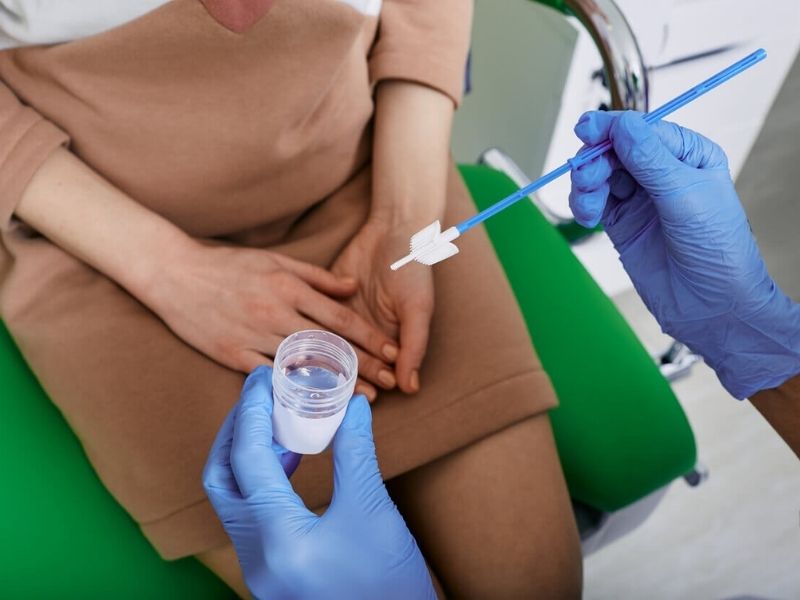
- The primary advantage of the Pap test is that it can detect abnormal (pre-cancerous) cervical cells in their earliest stages. Because in many cases cervical cancer develops slowly over a period of years, early detection through Pap testing is highly effective.
- When a woman has an abnormal Pap test, her physician can monitor her cell abnormalities and treat her for her abnormalities before cancer progresses.
- Regular Pap testing has contributed to the worldwide decline in deaths from cervical cancer.
- A Pap test not only finds cancer; it can also discover abnormal (pre-cancerous) cervical cells that, if left untreated, can eventually develop into cervical cancer. By detecting these abnormal cells in the early stages, the physician can intervene and prevent serious complications from resulting from the abnormal cells.
- Cervical cancer is frequently linked to a sexually transmitted infection known as HPV (Human Papillomavirus). Whenever an HPV test is performed along with a Pap test, the health care provider will be able to determine which women are at increased risk for developing cervical cancer. By detecting HPV early, physicians will be more likely to monitor the patient more frequently and provide appropriate health care interventions based on the results of the HPV testing.
- When a woman has an abnormal Pap test and is offered treatment at an early stage, her treatment will typically be less invasive, more effective, and less costly than if her cervical cancer were diagnosed at a later stage and required surgery, chemotherapy, or radiation.
- The encouragement of women to take charge of their own health is achieved through the use of Pap smear tests. Women frequently have the opportunity at their routine screening visits to discuss other reproductive health issues with their physicians. These may include menstrual problems, infections, fertility and hormonal changes. Prevention is one of the primary ways that women can maintain overall health.
Who Should Get a Pap Smear Test?
- From the age of 21 onwards, women are encouraged to start getting Pap smears, if necessary, every three years according to the doctor’s judgement.
- For women aged 30-65, it’s also recommended that they get a Pap smear once every three years, or some women might opt to get both a Pap and HPV test every five years.
- Some women choose to discontinue screenings once they have had several normal results, but this should only be done with a physician’s advice. Women who have higher risk factors may require more frequent screenings.
There is no denying how critical Pap smears are in preventing cervical cancer and safeguarding the reproductive health of women. By routinely undergoing Pap smears, women will identify precancerous changes before they progress into malignancy, which allows them to be treated early and to receive the greatest chance of a positive outcome. It only takes a few moments to undergo a Pap smear; it will take a little longer to make appointments for check-ups, but in both cases, lives will be saved if women make cervical cancer screening a priority, become educated, and work with their physicians when they have a concern.