

Worldwide, cervical cancer continues to be a major cause of illness and death among women, especially in areas where there is little awareness or limited access to screening programs for this disease. Although the disease is mainly preventable, it continues to be a leading cause of death due to being detected late and the cancer not being detected or recognised because of the absence of symptoms. The difficulty with cervical cancer is that it often does not cause any symptoms until the cancer has progressed significantly.
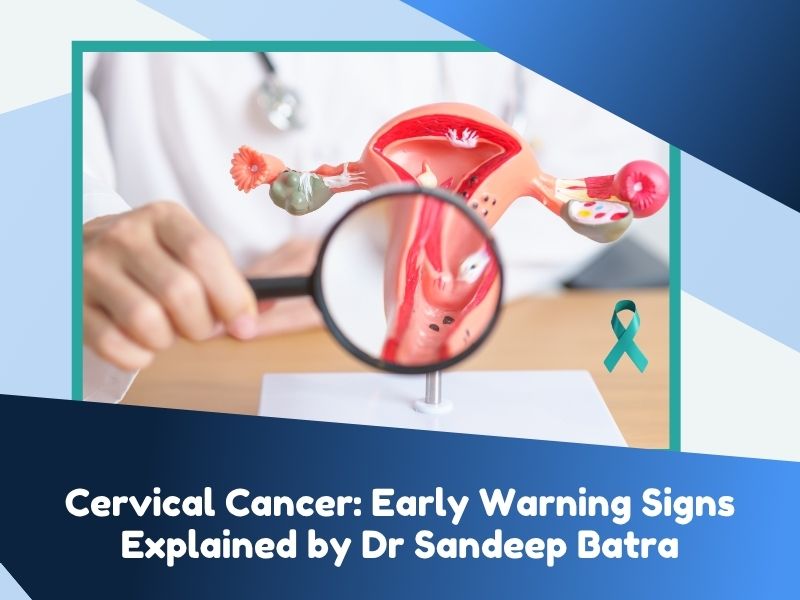
In the early stages of the disease, there may be very mild symptoms or the symptoms may be so mild that they are either missed or ignored. There are, however, warning signs from the body, which may be very subtle at the beginning, that indicate that something is happening to the cervix. The purpose of this blog is to provide a good overview of the early signs or symptoms of cervical cancer, possible risk factors for developing cervical cancer, and the importance of screening and prevention.
What is Cervical Cancer?
Cervical cancer, the type of cancer that is generated from the cervix, which is the area in a woman’s body that connects the lower part of the uterus to the vagina, is caused by an infection of the Human Papillomavirus (HPV). HPV is the leading cause of cervical cancer and is a very common virus that spreads during sexual activity between men and women. In addition to most cases of HPV clearing on their own, some women become infected with high-risk strains of the virus – such as HPV types 16 or 18 – which regularly cause abnormally shaped cells, and if not diagnosed, eventually advance to cervical cancer.
Why is early detection important?
Cervical cancer gradually develops over many years as it moves from precancerous alterations to invasive cancer. The long duration of cancer development provides a great opportunity for early detection via screening, prompt medical intervention, and prevention of cancer development. The very high chance of surviving cervical cancer if detected at an earlier stage and the lower likelihood of requiring aggressive therapies when treated at an earlier stage make cervical cancer screening via pap smear invaluable.
What are the Cervical Cancer Early Warning Signs?

- It could have several very early symptoms or signs. Cervical cancer can cause abnormal vaginal bleeding, including: bleeding between menstrual periods, bleeding after sexual intercourse and post-menopausal women, and heavier or longer than average periods. Abnormal vaginal bleeding is always a cause for concern and therefore should always be evaluated for cervical abnormalities whenever it occurs.
- Abnormalities in vaginal discharge may also point to changes associated with cervical abnormalities. Changes in abnormal vaginal discharge can be identified by various characteristics, including: excessive amounts of watery or thin discharge; foul-smelling discharge; and brown or blood-stained discharge.
- Pelvic pain unrelated to menstrual cycles is a common early symptom of cervical cancer. Pelvic pain associated with cervical cancer can be dull, sharp, occasional, constant, or gradually progressive. Even though pelvic pain unrelated to the menstrual cycle can be overlooked, it should be investigated.
- Pain or discomfort associated with sexual intercourse may occur because of cervical inflammation or lesions and may also be present as one of the earliest symptoms of cervical cancer.
- Women experience menstruation that is unpredictable, heavy or longer lasting. If any of these symptoms are observed, cervical cancer should be ruled out as an underlying cause of any changes in menstruation patterns.
- Fatigue can occur in women without any form of exertion or exercise. This type of fatigue could be caused by cervical cancer through either internal bleeding or the body’s response to the cancer itself.
- Gradually losing weight unexpectedly may be a sign of that cancer. Although gradual weight loss in women is a common feature of advanced-stage cervical cancer, there may be cases where gradual weight loss is documented in the early stages before diagnosis.
This cancer is a critical condition that can also be avoided through preventative measures. In the early stages of this disease, the patient may not experience any symptoms or symptoms that are readily apparent. However, the body will give the patient some warning signs before the onset of this disease, such as unusual bleeding, non-periodic discharge or discomfort in the pelvic area. For this reason, if a woman experiences one of these symptoms, it’s essential to seek medical attention promptly to possibly save her life.
The best way to prevent this type of cancer is to engage in regular screening (Pap smear tests and HPV tests) along with appropriate vaccination and following a healthy lifestyle. With expanded knowledge via education and speciality referrals, women will have more options to be proactive and protect themselves against developing cancer. Detecting cervical cancer early can change a woman’s chance of survival and improve the quality of her life.