

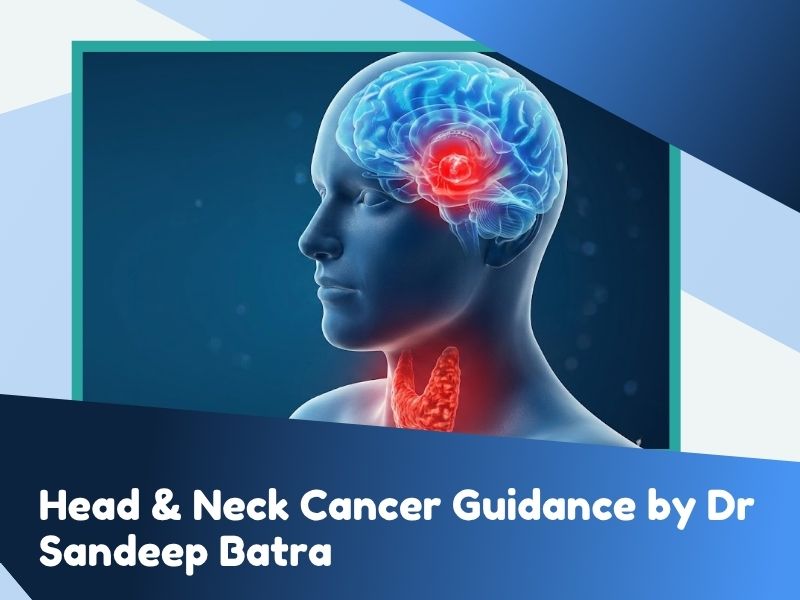
Head and neck cancer encompasses a variety of diseases that affect critical parts of the body, including the mouth, throat/voice box, sinuses, and salivary glands. They can make speaking, eating, and breathing difficult; therefore, it is essential to be aware of the early signs in each of these areas. The global incidence of head-and-neck cancer is becoming increasingly prevalent due to factors such as poor diet, sedentary lifestyles, and the presence of viruses like HPV.
As such, knowledge of its symptoms, risk-factor association and treatment options are more important than ever before. This guide serves as a comprehensive resource for anyone who would like additional information on head and neck cancer or who is interested in helping someone else recognise the early signs of these types of cancers.
What are the Common Symptoms of Head and Neck Cancer?
If a person is able to recognise some of the early warning signs of possible head/neck cancer, they may be able to receive treatment sooner and with a better chance for success. Some of the most common symptoms of head/neck cancer include: a lingering sore throat, difficulty swallowing, changes in one’s voice (hoarseness), losing weight without an obvious cause, lumps on or swelling of the neck, mouth sores that do not heal, pain in or disturbance to the ear, and/or nasal congestion (or frequent nosebleeds). Anyone experiencing one or more of these symptoms for more than two weeks should see a doctor for an evaluation.
What are the Major Causes and Risk Factors?

- Cigarettes, cigars and chewing tobacco account for the highest number of oral cancers worldwide.
- High levels of alcohol consumption increase your risk of oral cancers, particularly when combined with tobacco. As well, human papillomavirus (HPV), especially HPV-16, has been linked to the development of cancers in the throat (oropharynx).
- Poor oral health increases your likelihood of developing oral cancer as well.
- Another risk factor is exposure to hazardous substances such as asbestos, wood dust and chemicals, all of which can contribute to oral cancers.
- Finally, chronic exposure to these substances can lead to an increased risk of cancer of the lip.
How to diagnose Head and Neck Cancer?
The early stage of the disease is diagnosed through various means, including clinical evaluation (including lab tests), examinations of the patient’s mouth/throat (physical exam), endoscopic evaluation (to assess internal structures), radiologic imaging (including CT scans, MRI, and PET), and a biopsy to confirm that cancer is present. Staging the cancer accurately is essential to determining how extensive the cancer is and will be helpful in making treatment recommendations.
What are the Treatment Options for Head & Neck Cancer?
- Treatment options are based on the location, type, and stage of cancer. Common types of cancer treatment include surgery to take out tumours or tissue.
- Using high-energy beams (radiation) to kill or damage cancer cells and using medicines (chemotherapy) to kill or slow the growth of cancer,
- Using medicines that kill or damage cancer cells by targeting their unique biological functions, and/or helping the body strengthen its immune system, so that it can fight cancer. It is common for all of these options to be used together for a better treatment outcome.
Head and neck cancers continue to be a serious public health issue; however, with the increasing awareness, the use of new technologies for early detection, and advancements in medical treatments, the outcomes of individuals diagnosed with these cancers are dramatically improving. Identifying symptoms early as well as addressing risk factors such as tobacco use, alcohol consumption, and HPV are very important for reducing the total burden from these diseases. Routine screenings, preventive strategies, and getting medical intervention in a timely manner all contribute to significantly improving survival rates and quality of life. Therefore, the main focus for managing and preventing head and neck cancers is to remain informed and engaged.