
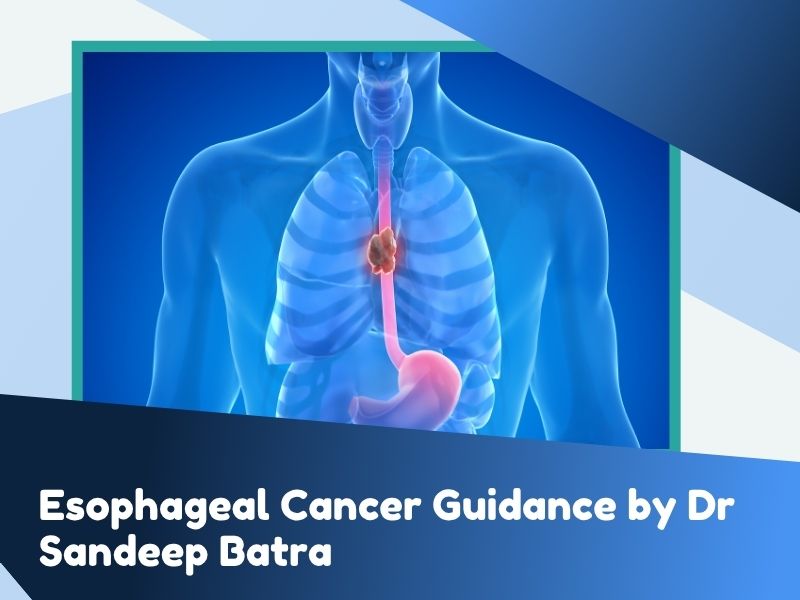
The esophagus connects the throat & stomach; esophageal cancer is a very dangerous disease. Esophageal cancer doesn’t get as much attention as other cancers but it is becoming increasingly common, especially because of your lifestyle, such as poor diet choices, smoking cigarettes, and chronic acid reflux. This guide contains complete information about esophageal cancer, including general symptoms, what causes it, how to be diagnosed with esophageal cancer, and what your doctor will likely recommend for your treatment today.
What is Esophageal Cancer?
Esophageal cancer starts when abnormal cells form tumours in the lining of the esophagus, which grow uncontrollably. If it is not found earlier, the cancer can spread to the regional lymph nodes and distant organs. The two types of esophageal cancer are:
- Squamous cell carcinoma, which develops in the upper or middle part of the esophagus and is linked to alcohol use and cigarette smoking, and
- Adenocarcinoma, which develops in the lower region of the esophagus and is generally connected with long-term acid reflux or Barrett’s esophagus.
What are the Early Signs and Symptoms?
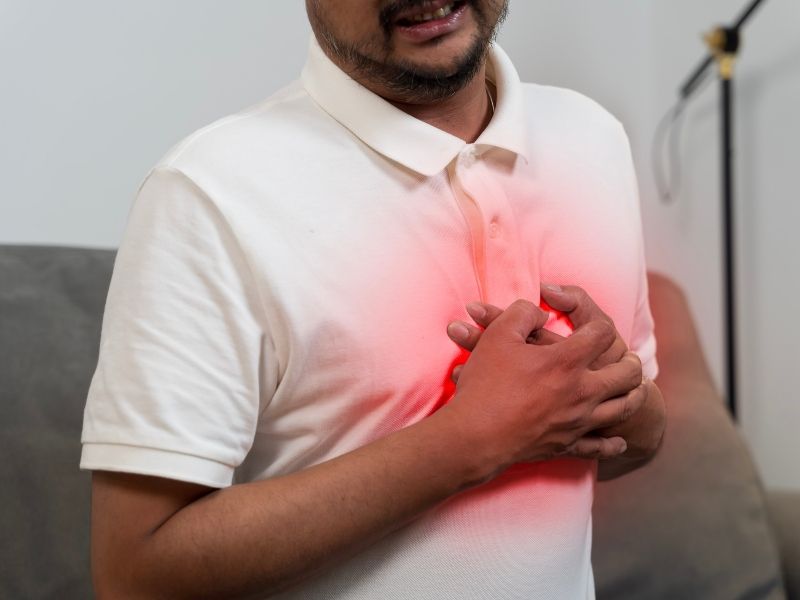
The greatest challenge of esophageal cancer is that it is frequently asymptomatic during its initial phases and only surfaces through symptomatic presentation after significant illness progression. Early detection of esophageal tumours will enhance treatment success, which can also improve detection rates if potential warning signs are recognised early. The main warning signs of esophageal cancer are as follows: difficulty in swallowing, relentless chest pains/burning sensations, abrupt onset of weight loss, continuous cough or hoarseness, dyspepsia or unreliable acid reflux symptoms, vomiting or regurgitation. Early referral to an expert is critical if associated symptoms persist for a few weeks.
What are the Causes and Risk Factors?
- Though the exact causes of esophageal cancer are not always clear, there are a number of potential risk factors that can increase your chance of getting esophageal cancer:
- Chronic (long-term) gastroesophageal reflux disease (GERD)
- Barrett’s Esophagus
- Tobacco use, including both smoking and chewing)
- Heavy alcohol use
- Obesity and unhealthy eating habits
- Not eating enough fruits and vegetables
- Older than 50 years of age (The risk increases with age)
What is the diagnosis process of esophageal cancer?
- An endoscopy involves using a flexible tube with a camera to look at the esophagus.
- A biopsy is a sampling of tissue that is tested for the presence of cancer.
- A CT or PET scan can be used to identify the stage of cancer.
- An endoscopic ultrasound (EUS) can be performed to evaluate the depth of the tumour and the lymph nodes.
What are the advanced treatment options?
- Usually, surgical excision (esophagectomy) is performed on young individuals with either localised or early-stage cancer. This may include removal of the entire esophagus or part thereof, plus reconstruction with stomach/intestine or both.
- Chemotherapy utilises medications designed to eradicate malignant cell types; furthermore, chemotherapy can be administered pre-operatively to reduce tumour size and post-operatively in order to obliterate remaining malignant cells.
- Essentially, high-energy rays help to destroy cancerous tumours and often work best when used together with chemotherapy.
- The goal of this form of treatment is to enhance the immune system’s ability to recognise and attack cancerous cells.
- This will provide better outcomes for patients with advanced or metastatic cancers than other existing options available today.
- Targeting specific molecules or pathways in cancer cells with targeted therapies provides a unique approach to treating patients while minimising side effects associated with those therapies.
Esophageal carcinoma is a life-threatening disease which, if not caught early through early recognition of symptoms like difficulties when swallowing and chronic acid reflux, can be fatal. With the help of physicians, patients now have many alternative therapies and a customised therapeutic approach to significantly increase their chances of survival as well as the overall quality of their lives. If you or a family member has experienced any of the above-mentioned symptoms or belongs to a high-risk group, it’s important to seek out a qualified medical professional immediately because, as we all know, early intervention saves lives.