

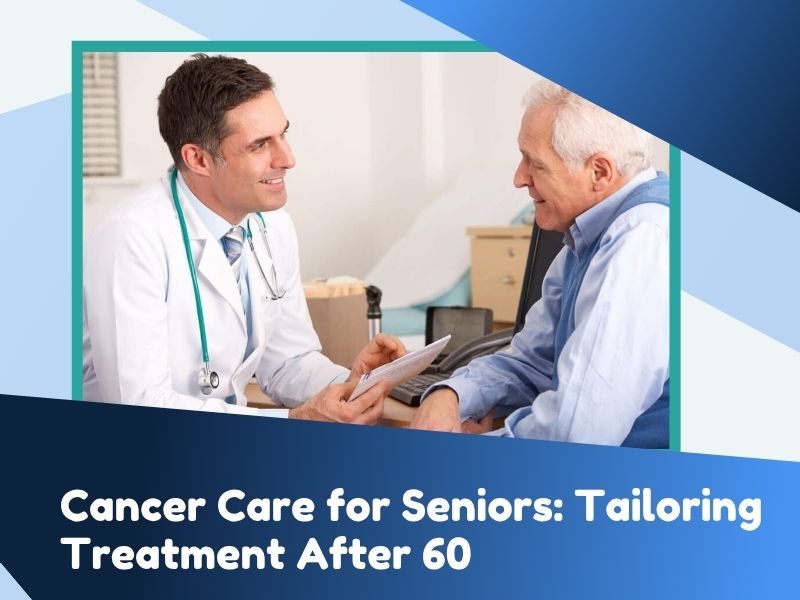
Cancer can be linked to getting older; many people diagnosed with cancer are over 60 years old. This means that when providing cancer care for seniors, we need to use a more personalised approach rather than applying standard care. In addition to having different physical needs compared to younger patients, many older adults have additional emotional and lifestyle needs that should all be considered when developing a treatment plan. Because of this, having individualised cancer care after 60 years old has been shown to improve the outcomes, quality of life, and well-being of an individual undergoing treatment for cancer.
As a medical oncologist myself, Dr Sandeep Batra, I feel strongly that the treatment approach for older adults with cancer should be one that allows for an individualised approach based upon balancing achieving effective treatment results with ensuring safety, comfort, and long-term quality of life.
What are the Cancer Risk After 60?
- Ageing of the cell: Over the years, the number of genetic mutations in cells increases and may lead to cancer.
- Immunosuppression: The immune system is less capable of detecting changes in abnormal cells.
- Carcinogen exposure: Carcinogens, including environmental issues like pollution, smoking, and radiation, build up over decades.
- Chronic disease: Conditions like diabetes, heart disease, or obesity increase the risk of developing cancer.
Why Cancer Treatment Must Be Personalised for Seniors?
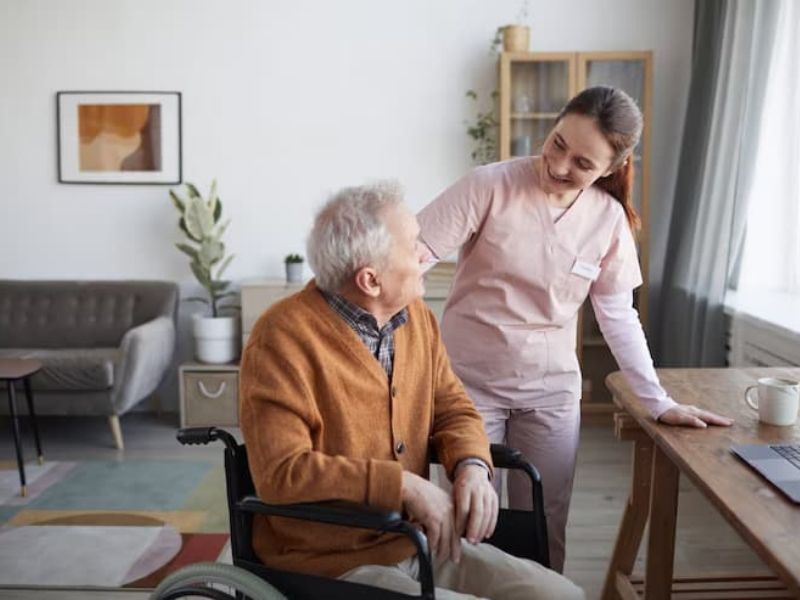
- Many believe that older adults won’t be able to handle aggressive treatments for cancer; however, as with all things about cancer, biological health matters more than chronological age when considering someone’s ability to tolerate treatment at an older age. While some patients will not necessarily tolerate their treatments well, others in their 70s or even early 80s can do very well with their treatments.
- Personalised care for patients diagnosed with cancer takes into account various factors such as the patient’s level of physical activity. Overall, their current medical conditions, functional independence, cognitive ability, and patient-identified goals and preferences.
What are the Key Components of Cancer Care for Seniors Over 60?
- Before beginning treatment, physicians will usually perform a geriatric assessment, which includes assessing the elderly patient’s overall health and mobility, nutritional status, mental functioning, emotional health, and social support.
- Many treatments for older adults can be altered or modified while still keeping the same efficacy level. Common alterations include reducing chemotherapy dosages, using targeted therapy rather than traditional chemotherapy, performing less-invasive surgical techniques, and using precision radiation techniques.
- Helping the elderly maintain independence and be able to function depends on several factors. Treatment planning will focus on fatigue management, fall prevention, weakness, nutritional needs and reducing hospitalisations when possible.
- Older adults may also exhibit more sensitivity to certain side effects, such as fatigue, decreased immunity with an increased risk of infections, changes in bone density, decreased appetite, and changes to cognitive abilities.
What are the advances improving cancer treatment for Older Adults?
- There are many modern innovations in oncology that can especially help treat older adults. Some examples include targeted therapies that have less systemic toxicity
- Immunotherapy that helps the patient’s immune system fight against cancer
- Minimally invasive surgery, which decreases the overall recovery time
- Personalised treatment planning based on genetic profiling
- Overall, these advancements enable a greater number of older patients to get effective treatments and to maintain a quality of life throughout their treatment process.
Careful consideration should be given to provide optimal care for all patients over the age of 60 years. With the advances in both treatment options, as well as support services, along with an individual, personalised care approach, many older adults living with cancer are able to maintain their independence and quality of life while undergoing treatment for the disease. Dr Sandeep Batra, I provide patient-centred care for my oncology patients. My treatment plans for each individual patient will consider their current health status, personal goals and quality of life as they relate to their experiences with cancer.
An effective way to improve cancer treatment outcomes is through the early identification of cancer, the provision of timely treatment and a collaborative approach among the various healthcare providers involved in the care of an older adult diagnosed with cancer.