


Breast cancer is considered a serious disease that affects millions of women around the globe. Any early detection (i.e., before any symptoms appear) will improve the odds of living longer, as well as how well the woman will respond to treatment. Therefore, breast cancer screenings are incredibly useful for identifying women with breast cancer at an early stage (when treatment is likely to be most effective) and preventing further complications from developing as a result of having had no prior evidence of breast cancer.
However, many women aren’t sure when to start screening, how frequently they should have screening performed or why it is so important to have them done regularly. If more individuals knew more about the different types of screenings available, and how beneficial they could be, then perhaps they would make better choices concerning their health care and/or take more proactive measures towards their good health.
What Is Breast Cancer Screening?
Screening for breast cancer is defined as the use of any medical test that can reveal evidence of breast cancer in an individual who does not have any current breast cancer-typical symptoms or signs. The objective of screening is to catch the disease early (often many years prior to when it can be detected by the patient) before it grows large enough to be felt or has spread to nearby tissue. Common screening tests used include mammography, clinical breast exam, breast ultrasound and MRI scans for patients at high risk. The most effective and commonly recommended of these tests for early detection of breast cancer is mammography.
When Should You Start Breast Cancer Screening?
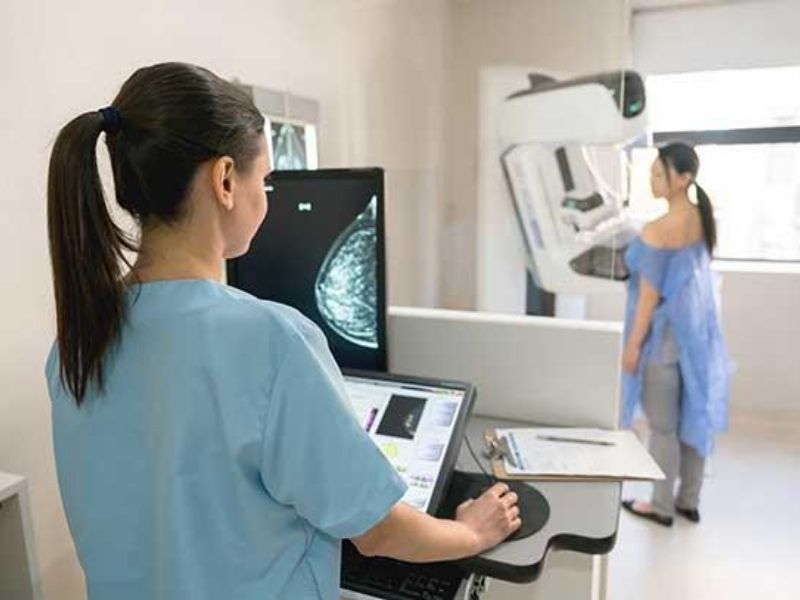
- Breast cancer screening may begin at different ages based upon risk factors, family history and healthcare recommendations. In general, non-high-risk women, with either no family history or having had no significant risk factors, generally start annual or biennial mammograms from age 40, and continue with regular mammograms until at least 74 years of age, and work with their doctor to develop an individualised schedule for screening.
- Women at increased risk for breast cancer may need to begin screening at an earlier age. Increased risk factors include: Family History of breast and/or ovarian cancer, presence of a genetic mutation such as BRCA1 or BRCA2, history of cancer treatment where radiation to the chest was used, presence of dense breast tissue, or a personal history of breast abnormalities. In these cases, physicians may recommend that screening start as early as 30 years old and may consider MRI in addition to mammography (x-ray).
Why Breast Cancer Screening is important?
- The most important advantage of screening for breast cancer is the ability to detect the disease at an earlier stage than would otherwise be possible. The earlier that breast cancer is detected, the greater the effectiveness of treatment and the lower the level of invasiveness of treatment. In most cases, early breast cancers can be treated with less aggressive treatments than late-stage cancers, and the survival rate for early-stage breast cancers is significantly higher.
- The purpose of continually performing breast cancer screenings is to detect tumours prior to their growing larger in size or spreading beyond the breast to the lymph nodes and organs. If breast cancer is detected at an earlier stage, the chance of the patient developing late-stage disease, which is typically much more difficult and costly to treat, is minimised.
- If an individual diagnosed with breast cancer is diagnosed at an earlier stage, they will have more treatment options, including breast-conserving surgery and targeted therapies. An individual who is diagnosed at an earlier stage is likely to recover from that diagnosis faster and experience a higher quality of life both during and after their treatment.
- When individuals undergo periodic breast screenings, they know that they are breast cancer-free, or they will have some type of abnormality that may or may not be cancerous. Many of the non-cancerous abnormalities can be treated with the appropriate medical treatment.
What are the Types of Breast Cancer Screening Tests?
- A mammogram is a low-dose X-ray of the breast to detect tumours or abnormalities in breast tissue. It has remained the most standard screening test for breast cancer.
- During a clinical breast exam, a doctor or healthcare provider will examine the woman’s breasts visually and by palpation for lumps, unusual changes, or abnormalities.
- An ultrasound uses high-frequency sound waves to create images of breast tissue and is typically used to evaluate women with dense breasts.
- MRI scans are generally preferred for detecting breast cancer in women who may have a genetic predisposition to breast cancer.
Breast cancer screening provides an opportunity to detect breast cancer in its earliest stages, enabling timely intervention to increase the chances of surviving breast cancer. Factors that determine when to begin screening and how likely a person is to develop breast cancer are important components of a breast health plan. Early detection through routine screenings such as mammograms and regular medical examinations increases the likelihood of detecting an abnormality early.
Early diagnosis improves treatment outcomes for breast cancer. People can play an active role in their breast health and decrease their risk for developing breast cancer by being aware of the information available, getting regular screenings, and leading a healthy lifestyle.