


Globally, breast cancer is one of the most prevalent cancers among females; however, it can affect males as well. As medical hypotheses advance, there has been a major improvement in the treatment success, primarily due to early detection of the disease. Here are some of the breast cancer treatment options that will be available in this blog. It will explain each in layperson’s terms to aid patients and families in becoming better informed about their options for treatment of breast cancer. Additionally, it will encourage them to make a sound decision based on what is best for their health.
What are the Types of Breast Cancer Treatment Options?
- Surgery is typically the first option for treating breast cancer. The goal of surgery is to remove the cancerous tumour from the body. In a lumpectomy, only the area around the tumour (ambience) is removed, rather than the entire breast; however, depending on how advanced the disease is, this may necessitate removing either one or both breasts (mastectomy). A lymph node dissection helps determine whether or not the cancer has spread beyond the breast itself. After surgery, other forms of treatment, such as radiation or chemotherapy, are often used to decrease the chance of the disease recurring.
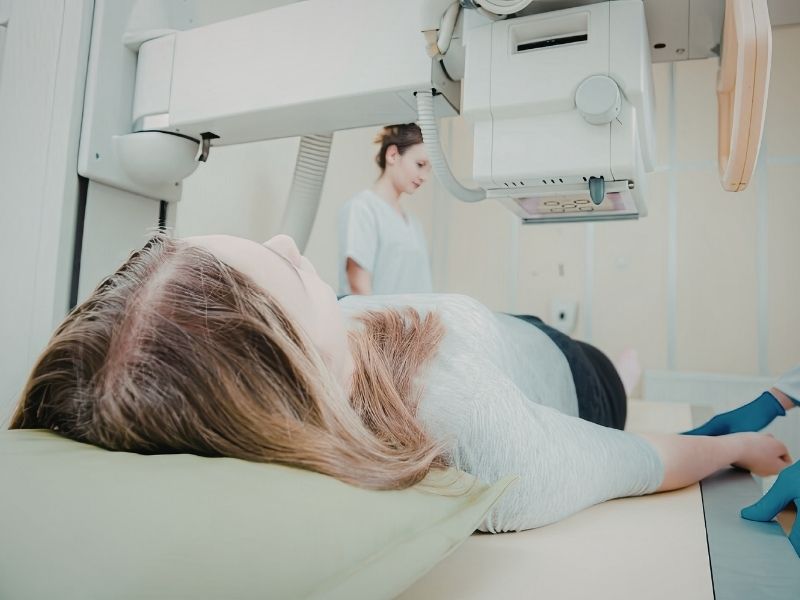
- Radiation therapy employs high-energy beams to eliminate cancerous cells that could be left behind after surgical procedures. It is a commonly used treatment (after lumpectomy surgery) to diminish the chances of the return of cancer and is typically painless; however, there can be some negative side effects like skin irritation or fatigue.
- Hormones such as estrogen stimulate the growth of many breast cancer cells. Hormone therapy serves to block or decrease the levels of hormones in the body through medications such as tamoxifen and aromatase inhibitors. Hormone therapy is typically prescribed for 5-10 years for eligible patients and significantly decreases the potential of recurrence in patients who qualify.
- Immunotherapy assists in boosting the immune system’s ability to fight against cancer. Immunotherapy is used primarily for individuals who have advanced breast cancer or a triple-negative breast cancer diagnosis. Immunotherapy allows the body’s own immune system to recognise and destroy cancerous tumours or cells. Immunotherapy is creating exciting results, particularly in some patient populations, and is a newer type of cancer treatment.
Additional informations
- The stage/grade of cancer, as well as the size/location of the tumour, hormone receptor/HER2 status, age & health of the patient/prospective patient, and personal preferences will affect the potential course of treatment.
- All of the different forms of treatment for breast cancer have the potential to cause side effects. However, the majority of side effects may be managed well. Examples include:
- All forms of treatment may generate fatigue in the patient. Hair loss, generally caused by chemotherapy and nausea, can be treated with medication.
- In terms of emotional effects, anxiety and stress occur with all forms of treatment.
- Survival rates are greatly improved by early detection. Breast cancer may be detected at an earlier, more curable stage with regular mammogram screenings or via self-examinations.
Being familiar with the various methods available for treating breast cancer is more than just being able to name the types of treatments available; it means knowing how these treatments are tailored to fit a patient’s unique tumour biology and individual needs. In fact, no two breast cancers are alike, which is why many treatment protocols today are very individualised and frequently involve using several types of treatment together to achieve the best outcome possible.
In recent years, new methods of treating breast cancer, such as immunotherapy, have significantly broadened the ways in which advanced and/or difficult-to-treat types of breast cancer can be treated. Immunotherapy uses the body’s own immune system to find and kill cancerous cells, giving hope to patients who may not respond well to traditional therapies.
An equally significant factor is early detection of breast cancer. When breast cancer is detected at an earlier stage, the treatment required is usually less aggressive, and there will be a greater chance of responding well to therapy, as well as a better chance of long-term survival. With improvements in the detection of breast cancer, such as through mammography and heightened awareness of symptoms, it is likely that these cancers will be detected earlier, leading to more successful treatment outcomes.