

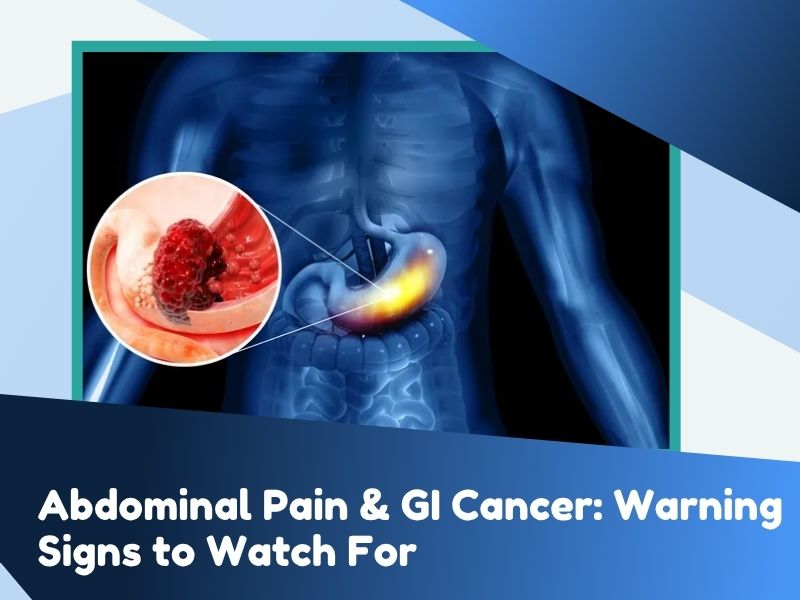
Many individuals suffer from discomfort and/or pain in their abdomen; however, in general, the majority of abdominal pain complaints have a harmless cause (i.e., include gastrointestinal discomfort from indigestion, gas, or are a result of minor infections). Some abdominal pain can be a key indicator for diagnosing GI cancer; therefore, it is important to know when your abdominal discomfort may actually indicate something serious. Early diagnosis is critical to successful treatment and leads to an increased survival rate. In this blog, I, Dr Sandeep Batra, will discuss the relationship between abdominal pain & GI Cancer along with its warning signs.
What is GI Cancer?
Gastrointestinal cancers are cancers of the digestive system, which includes oesophageal cancer, gastric (stomach) cancer, liver cancer, pancreatic cancer, and colorectal cancer. Many of these cancers develop with little or no indication and do not present symptoms until they are quite advanced. For this reason, being able to identify some of the early warning signs can help save a person’s life.
What are the symptoms of a GI Cancer?
- One of the major warning signs that something is seriously wrong with your body is unintentional weight loss. This can mean your body is either not absorbing nutrients correctly or using your energy to fight illness.
- You should also watch for feeling satisfied without much food (or fullness) after small amounts of food eaten, as well as persistent bloating. These may be related to gastrointestinal conditions associated with ovarian or stomach issues.
- There are also warning signs to look out for, such as continuous (or frequent) constipation or diarrhoea, thin stool, or a major shift in your bowel habits — these could all be signs of colon cancer.
- Bright red poop, or black/tarry poop and/or throwing up bloody liquids/liquids that look like coffee grounds, are other very serious signs.
- If you have difficulty swallowing or feel like food can “stick” to your throat, you may have oesophageal cancer.
- In addition, frequent nausea — especially when combined with abdominal pain — could indicate a problem with your stomach or pancreas.
- Lastly, an ongoing feeling of tiredness could indicate that you have internal bleeding or nutritional deficiencies from gastrointestinal cancers in your body.
Why Early Detection Matters?
- We can treat early-stage gastrointestinal (GI) cancer successfully. Unfortunately, most patients do not seek medical attention for their GI cancer until it has progressed to a later stage because they don’t recognise the symptoms that indicate a problem. Early detection through screening and diagnosis has been shown to improve survival rates, decrease treatment complexity, and improve a person’s overall quality of life.
- If you have a family history of gastrointestinal (GI) cancers, and your lifestyle includes tobacco use, excessive alcohol consumption, obesity, a poor diet, chronic digestive diseases (such as irritable bowel syndrome and gastroesophageal reflux disease), and/or being 50 years old or older, then you may require an increased level of caution.
Many people think of abdominal pain as a small inconvenience; however, it is important to take note of any new, continuous, or unusual abdominal pains you are experiencing, especially if they are accompanied by warning signs. The reason you should take them seriously is that the symptoms from gastrointestinal cancers often go unnoticed until later stages, so early detection and evaluation by a medical professional can lead to a more successful treatment or outcome. Some of the more common subtle symptoms that you could exhibit and should watch for are unexplained weight loss, a change in your bowel habits, or persistent discomfort.
According to Dr. Sandeep Batra, monitoring your health and looking to a physician or other healthcare providers for the appropriate care at the appropriate time can dramatically increase your survival outcomes and increase your overall quality of life. Therefore, it is not just about taking precautions; it could also save your life by taking the time to evaluate and implement the right answers.