

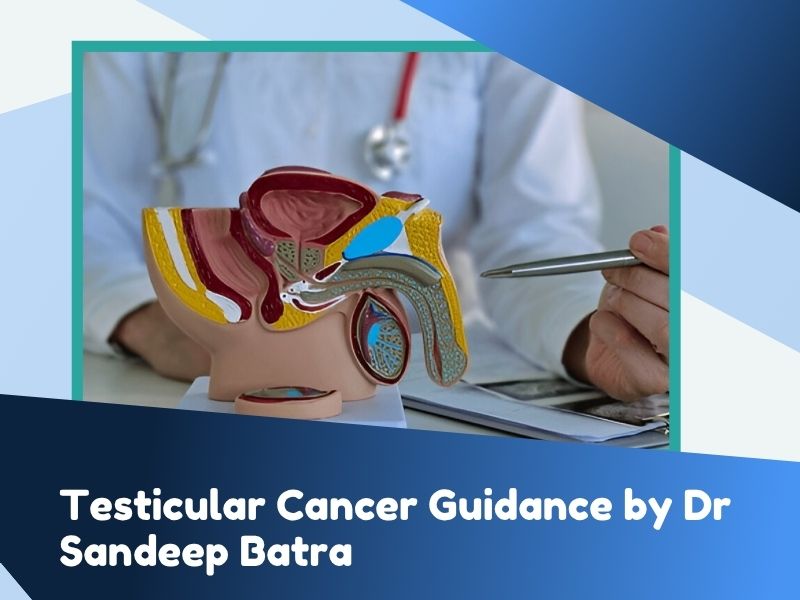
There are several types of cancer, but testicular cancer is one of the easiest to cure if it is diagnosed early on. The problem is that many men do not know about the signs and symptoms of testicular cancer or the risk factors for the disease. It is important to educate people about testicular cancer, especially younger men, where the majority of cases occur. With this guide, you will find out how to recognise testicular cancer with the help of insights and advice from health professionals.
You will also have the information you need to understand testicular cancer’s symptoms, diagnosis, treatment and recovery processes – by understanding this information, you will be able to take action sooner in order to improve your overall health.
What is Testicular Cancer?
The term “testicular cancer” refers to a malignancy that arises from the testes (testicles) – male reproductive parts located within the scrotum, where they produce sperm as well as secrete the male hormone testosterone. Additionally, the malignancy arises as a result of the abnormal/poor functioning cells in one of the testes dividing uncontrollably to form a mass of cells (tumour).
Although malignant tumours of testicular tissue account for a relatively low number of all malignant tumours, they continue to rank as the most common solid tumour in young adult males (15 – 45), but the majority of the time, only one testicle is involved; however, both testicles may be found to have cancer. Testicular malignancies are typically very curable if discovered and treated quickly, and the majority originate as germ cells, which are responsible for the development of sperm.
What are the types of It ?
- Seminoma is a type of testicular cancer that is slow growing, and most common among men ages 30-50, stays localised for longer periods of time, which allows for early diagnosis and treatment to be extremely effective. The other main advantage of seminoma is its very good response to radiation treatments/chemotherapy with high cure rates even when diagnosed at a relatively advanced stage.
- Non-seminoma is generally a faster-growing, more aggressive form of testicular cancer, has a greater incidence in young men from late teens to early 30s and consists of several different sub-types (embryonal carcinoma, yolk sac tumour, choriocarcinoma, and teratoma) that each have unique characteristics. Non-seminomas tend to metastasise, which means that they usually require more aggressive treatment options, including surgery & chemotherapy.
What are the Causes and Risk Factors of This Cancer?

- One of the Greatest Risks of this cancer development is from an undescended testicle (Cryptorchidism). The testicle has not dropped into the scrotum before Birth.
- The risk continues to be greater after Repair than in Normal Cases. Men who have a Father or Brother with Testicular Cancer are at an Increased Risk of Cancer due to a Possible Genetic Link.
- Men who have Cancer In One Testicle are at an Increased Risk of Developing Cancer in Their Other Testicle.
- Testicular Development Disorders can Lead to Increased Susceptibility to Developing Testicular Cancer.
- Genetic Abnormalities & Syndromes Can Also Increase the Risk of Developing Testicular Cancer, but These are Not Common.
What are the stages of Testicular Cancer?
- In Stage I, testicular cancer has only spread to a man’s body through his testicles and has not affected any lymph nodes or organs. In this case, most localised cancers can be effectively treated with surgery (as the only treatment) and then closely monitored.
- In Stage II, testicular cancer can be in several places in a person’s body, but has also spread to one or more nearby lymph nodes (which usually are in a person’s abdomen). For many people, the treatment will be a combination of surgery, chemotherapy, or radiation therapy (or a combination of these) for the local and distant spread of testicular cancer to Lymph nodes, etc., depending on what type of tumour they have.
- In Stage III, a person’s testicular cancer has now spread to one or more of the following sites of distant organ cancer, such as the lung, liver, or any other organ outside of the abdominal area. Although it is Stage III of testicular cancer stages and has become more advanced, tests have shown that men with stage 3 testicular cancer can still be treated with the right type of treatment. If appropriate treatment is used, the majority of the people who present with Stage III Testicular cancer will have success with their chemotherapy. The right type of chemotherapy and surgery can cure all men with advanced testicular cancer.
What are the Treatment Options?
- The primary means of treating the disease in its early stages is by performing a surgical procedure to remove the affected testis (orchiectomy). This type of treatment is very successful at curing the disease in its early stages.
- This reference to chemotherapy refers to the use of cytotoxic drugs (medications that kill cancer cells) after the tumours have expanded beyond the testis and invaded other parts of the body.
- Radiation is primarily used for treating cancer that has been identified as a seminoma-type cancer because seminomas are sensitive to radiation.
- An option in the early stage is to have patients monitored closely after surgery to ensure that they are not overtreated with chemotherapy or radiation.
Testicular cancer has a very high cure rate; however, it is dependent on early detection through education. When an individual understands risk factors and knows the available treatment options, they will feel empowered to seek out medical assistance.
Because of advancements in technology and research, as well as advancements in how testicular cancer is treated by specialists, today’s patients have access to revolutionary medicines & treatments that can provide the best outcomes possible. If an individual places importance on performing self-exams regularly or reaching out to a doctor for an evaluation when he finds any abnormalities, he will be much more likely to completely overcome his cancer and maintain good health for many years after.