

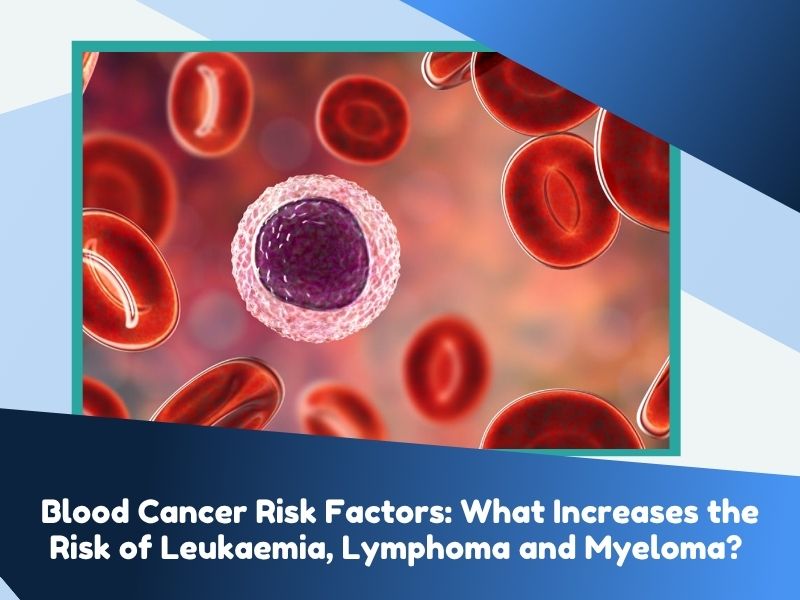
Blood cancers consist of different types of cancer affecting the blood, bone marrow or lymphatic system. The main forms of these diseases include leukaemia, lymphoma and multiple myeloma. These malignancies can affect people of all ages; however, understanding their causes and risk factors is a complex issue. Blood Cancer Risk Factors are regarded as a situation that could lead to the development of the disease. However, having one or more risk factors does not mean that a person is bound to get blood cancer. On the other hand, blood cancer may develop in persons who do not possess these risk factors.
During Blood Cancer Awareness Month, learning about the possible risk factors makes it possible to improve knowledge of one’s health condition. According to Dr Sandeep Batra, learning the importance of risk assessment needs to occur without genuine fear: understanding risk factors makes it easier to talk about them with physicians and determine the necessity for medical assessment.
What is Blood Cancer?
Blood cancers are diagnosed when a person has uncontrolled growth of abnormal blood-forming or immune-system cells. Blood cancer falls into three major categories:
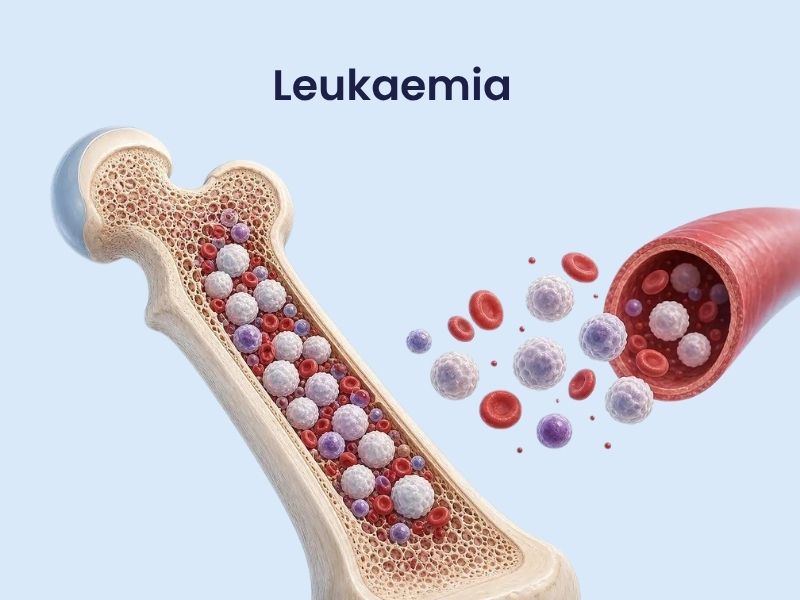
- Leukaemia — which has subtypes, including myeloid leukaemia and lymphoblastic leukaemia. All these forms involve the blood-forming tissue such as the bone marrow and show the presence of abnormal white blood cells.
- Lymphoma — which occurs when abnormal growth happens in lymphocytes (the white blood cells) and can be divided into Hodgkin and non-Hodgkin lymphoma, among others.
- Multiple myeloma is the result of uncontrolled plasma cells (a type of immune cell) in the bone marrow. Certain diseases such as MGUS and solitary plasmacytoma may lead to the development of multiple myeloma.
What are the Blood Cancer Risk Factors?
- The risk for blood cancers is significantly affected by age. An example is leukaemia, which is more frequent among older populations, but certain forms of leukaemia are found in children or younger age groups. The risk for lymphoma typically goes up with age, although some forms of lymphoma are more common in younger adults. Older adults are more prone to getting multiple myeloma. Age cannot be altered, but it is worth noting that the risk profile can continue to evolve over time.
- People with a family history of certain blood cancers could be more likely to get them. For instance, a close relative with lymphoma or multiple myeloma may imply a higher risk. Inherited genetic syndromes can also increase susceptibility to certain blood cancers. Importantly, the majority of people who have a family history do not get blood cancers, and numerous patients have no family history at all. If some close relatives have had blood cancers or other types of cancers, it can be more beneficial to talk about family medical history with a physician.
- Certain individuals who have undergone chemotherapy or radiation treatment for a different cancer may be at a greater risk of acquiring particular blood disorders in the future. These are sometimes termed therapy-related blood disorders. For example, past chemotherapy or radiation exposure may increase the risk of certain types of leukaemia. It is important to keep this risk in mind: cancer treatments are advised based on their positive benefits while weighing the possible risks.
- Long-term exposure to certain hazardous substances is known to increase the chance of certain blood-related cancers. For instance, benzene is recognised as a serious issue concerning certain blood cancers. Occupational exposure can apply to specific job categories. Some other hazardous chemicals have also been studied for their possible association with conditions such as lymphoma and other types of blood cancers. Individuals need to take the goals of workplace protection seriously and protect themselves where the risk of exposure to hazardous chemicals exists.
- High exposure to high levels of ionising radiation has been shown to increase the risk of various types of cancers, including certain leukaemias. It has also been considered in the context of multiple myeloma being a risk factor. This doesn’t mean that imaging tests that are needed should be avoided. Doctors analyse the risks against the benefits of the procedures they recommend.
- A weak immune system can increase the risk of some lymphomas. Immunosuppression can result from certain diseases or medications. People who have received organ transplants are taking medications that suppress the immune system, and certain viruses are also linked to certain types of lymphomas.
- Some infections are associated with certain types of blood cancers. For instance, EBV is known to be linked to certain lymphomas. The connection between an infection that is associated with a cancer doesn’t mean the cancer develops. The relationships are complex and dependent on a variety of factors, including the type of infection and type of cancer and more.
- The occurrence of several autoimmune disorders has been implicated in the increased chance of certain types of non-Hodgkin lymphoma. The situation is complicated due to the fact that autoimmune disorders, activity of the immune system, and drugs used to treat this condition may all have an influence on the risk. That is why people who have autoimmune diseases should consult their doctors about the appropriate care rather than try to see cancer development as a matter of course.
- Certain diseases may cause plasma cells to raise the risk of developing multiple myeloma. One of the most illustrative cases is that of monoclonal gammopathy of undetermined significance (MGUS). Though MGUS does not equal multiple myeloma, some individuals with MGUS end up developing either multiple myeloma or any other plasma-cell disease. Thus, medical attention is crucial for those diagnosed with particular precursor diseases.
One of the key points that Blood Cancer Awareness Month emphasises is that risk factors do not define the prognosis of a disease. A person can have multiple acknowledged risk factors but never suffer from blood cancer. The opposite is equally true—someone may suffer from blood cancer without having any obvious risk factors.
This is the reason why risk information ought to be viewed as a way of promoting awareness and seeking medical help, and not as a source of fear or self-diagnosis. It is essential for people with an appropriate medical or family history to consult an oncologist to understand what individual risk they have. Dr Sandeep Batra emphasises that awareness should lead to constructive dialogues and medical consultations instead of ill-founded anxieties.