

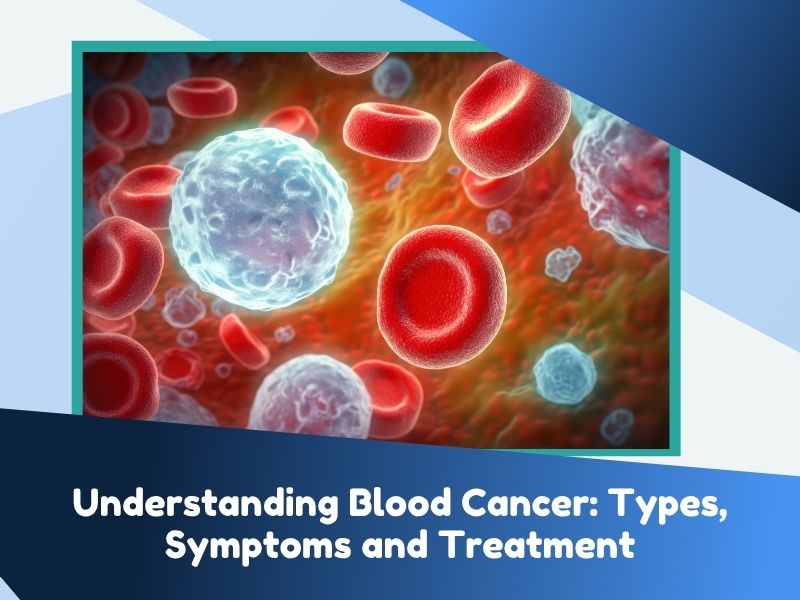
Awareness about blood cancer involves more than simply understanding a diagnosis— it involves knowing the warning signs, encouraging the need for immediate medical care, offering emotional help to the patient and his family and reminding everyone that early treatment could have a significant impact.
September is celebrated as National Blood Cancer Awareness Month that gives a good opportunity to learn more about blood cancer types like leukemia, lymphoma and multiple myeloma and stimulates discussions regarding symptoms, diagnosis, treatments and support options. This blog will discuss the types, symptoms, and treatment options of blood cancer.
What Is Blood Cancer?
A blood cancer is a type of cancer that affects blood cells, bone marrow, and the lymphatic system and may prevent the body from forming healthy blood cells and fighting infections. The three major types of blood cancers include:
- Leukemia: A type of cancer that affects blood-forming tissues such as bone marrow, resulting in the formation of abnormal blood cells.
- Lymphoma: A type of cancer that occurs in the lymphatic system and mainly affects lymphocytes, which are a kind of white blood cells.
- Multiple myeloma: A kind of malignancy of plasma cells, the immune cells that are responsible for the production of antibodies
Why Is Blood Cancer Awareness Important?
This cancer symptoms can sometimes be subtle or mimic common illnesses. The symptoms include constant fatigue, repeated infections, or unexplained weight loss. Awareness helps to make people notice changes in their health and go to the doctor when the symptoms are unusual, constant, or worsen.
Moreover, awareness contributes to dispelling myths about cancer. The diagnosis of blood cancer is difficult, but there are many innovations in diagnosis, chemotherapy, targeted therapy, immunotherapy, transplantation, and so on.
What are the Warning Signs of Blood Cancer?
- Unusual fatigue, despite sufficient rest, has a connection with anaemia or other diseases that affect blood production.
- The existence of abnormally functioning white blood cells could lead to problems when the body needs to fight infections, such as frequent infections that are hard to cure.
- The factors that might cause weight loss that occurs without modification of a diet and exercise may vary greatly.
- It is advisable to go to a doctor and discuss the situation of persistent unaccounted weight loss.
- Unexplainable bruises, frequent nosebleeds, or bleeding that lasts for a long time could be connected with a low platelet count.
- The occurrence of painless swelling is possible in cases of infections and other disorders; however, continuous swelling should be checked by a doctor.
- An unaccounted recurring fever or excessive sweating at night might be serious and should be checked with the help of appropriate equipment.
- When it comes to blood cancer, one of its manifestations is bone pain. Any pain that lasts for a long time should not be neglected. It should be emphasised that these symptoms do not necessarily mean that the person has blood cancer.
What are the treatment options for blood cancer?
- The treatment for this cancer is very individualised. The treatment plan is determined by factors such as the cancer type, stage of cancer, overall health of the patient, genetic and molecular properties of the disease, and other factors.
- Depending on the diagnosis, it may be the case that treatment will comprise of chemotherapy, targeted therapy, immunotherapy, radiotherapy, stem cell or bone marrow transplant, and supportive therapy.
There is no single screening test available for each of the various kinds of blood cancer. Still, vigilance in observing one’s health changes, along with consultation with a health care specialist, might help with the identification of the conditions which need further examination.
Attempting to self-diagnose based on symptoms that could be found on the Internet is not advised. A qualified health care specialist must be consulted when any prolonged, unusual, or worrying symptoms arise.
Blood cancer is characterised by having knowledge about it. Being aware of the possible signs and symptoms of the disease, looking for adequate medical consultation, and supporting those who suffer from it are all important in combatting blood cancer. This National Blood Cancer Awareness Month, take a moment to educate yourself about it.
[…] Blood cancers are diagnosed when a person has uncontrolled growth of abnormal blood-forming or immune-system cells. Blood cancer falls into three major categories: […]